Every parent has, at one time or another, taken a knife away from their child, exclaiming, "Put it down, you'll cut yourself!" But we all know: anything forbidden is doubly interesting. Therefore, it's much safer, healthier, and wiser to instill knife handling in children, especially since today's market offers a wide variety of high-quality tools for the younger generation. Kids can choose from kitchen knives, folding knives, and fixed-blade knives. We'll discuss the best kid's knives and their features in our article.
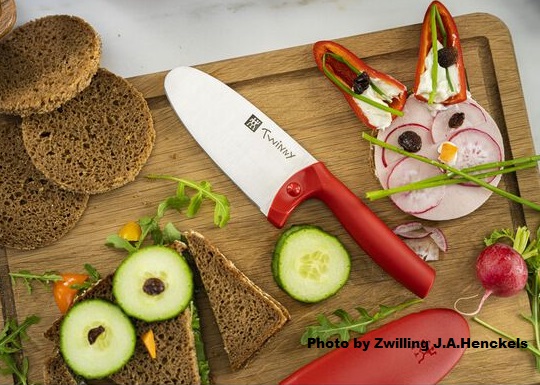
Some children, especially girls, love helping their mothers in the kitchen. Of course, plastic sets exist, but a young helper wants the real deal—just like adults! For future chefs, the renowned German brand Zwilling J.A. Henckels offers a convenient and safe kid's kitchen knife, the Twinny. It features a rounded tip and a storage case.
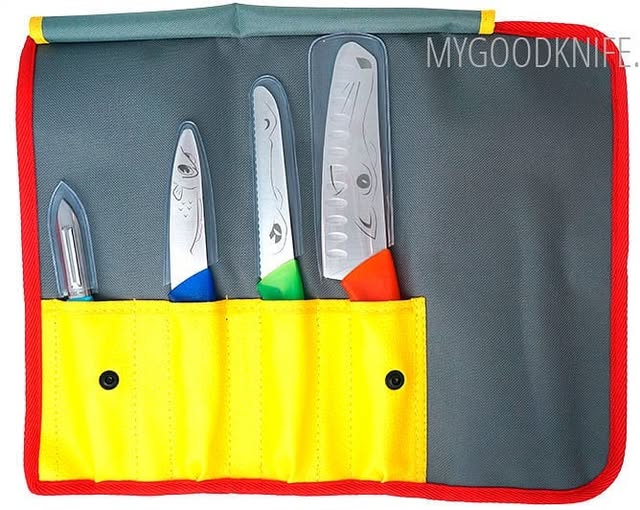
The Portuguese company ICEL has developed a whole series of kitchen knives for children. Their selection includes a safe chef's knife in the shape of an adult santoku, as well as knives for vegetables and other small items.
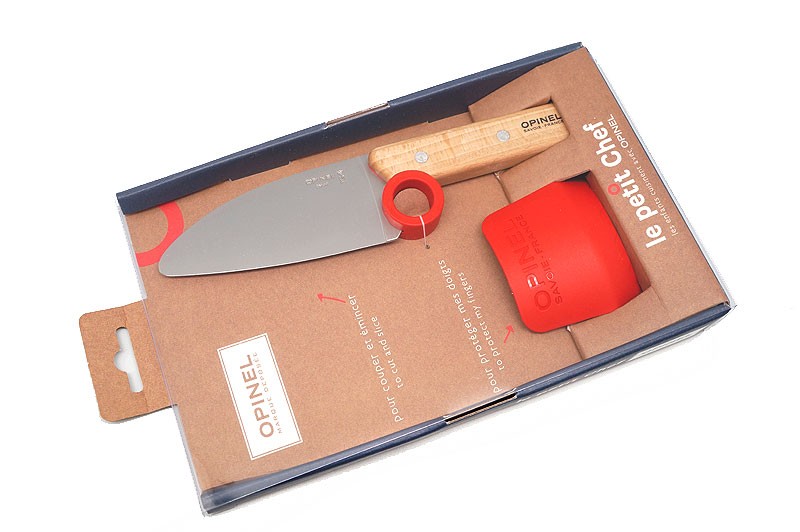
In my opinion, the safest and most convenient series of children's kitchen knives was developed by the French company Opinel. Le Petit Chef knives not only feature a standard rounded tip but also a protective ring that prevents fingers from slipping onto the blade. Furthermore, Opinel Le Petit Chef sets include a finger protector. This gives parents peace of mind – cutting themselves is virtually impossible with this multi-layered protection. Opinel finger protectors are also available for purchase separately in our store.
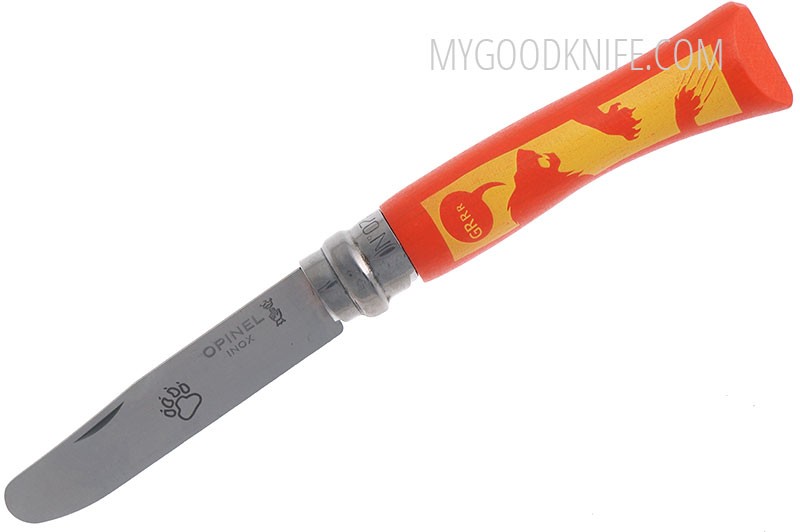
Opinel also has the My First Opinel series. The handles are either traditional light beech or colored beech. Despite their apparent safety, the knives are quite functional and sharp. These knives can be used for everything from handling food to carving fishing rods and much more. The color range is varied, so you can find a knife for both boys and girls. For little adventurers, there's a brighter version, the AnimOpinel Junior. These children's knives are similar in design, but the handles feature a design of a lion or a horse.
Incidentally, another advantage of Opinel children's folding knives is their safety lock, which is also used on adult knives. This is the unique Viroblock® blade locking system: the lock is a slit sleeve located directly where the blade and handle meet. When open, the slit on the sleeve is aligned with the flat of the blade. Then, simply turn the sleeve. This ensures that the knife won't close accidentally. This simple lock is arguably one of the most secure, especially in the hands of a child.
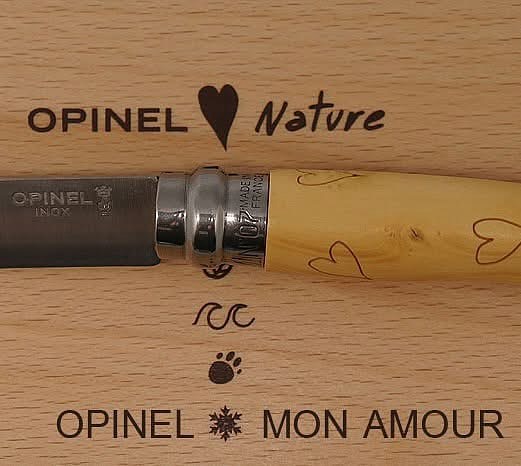
A kid's first serious fixed-blade knife could be a so-called scout knife. Most knife manufacturers now offer models with a small handle and a rounded tip. These fixed-blade knives, designed specifically for use outdoors, at camp, or on hikes, are in no way inferior in quality to adult knives. Marttiini, Roselli, Böker, and other brands offer kid's and scout knives.
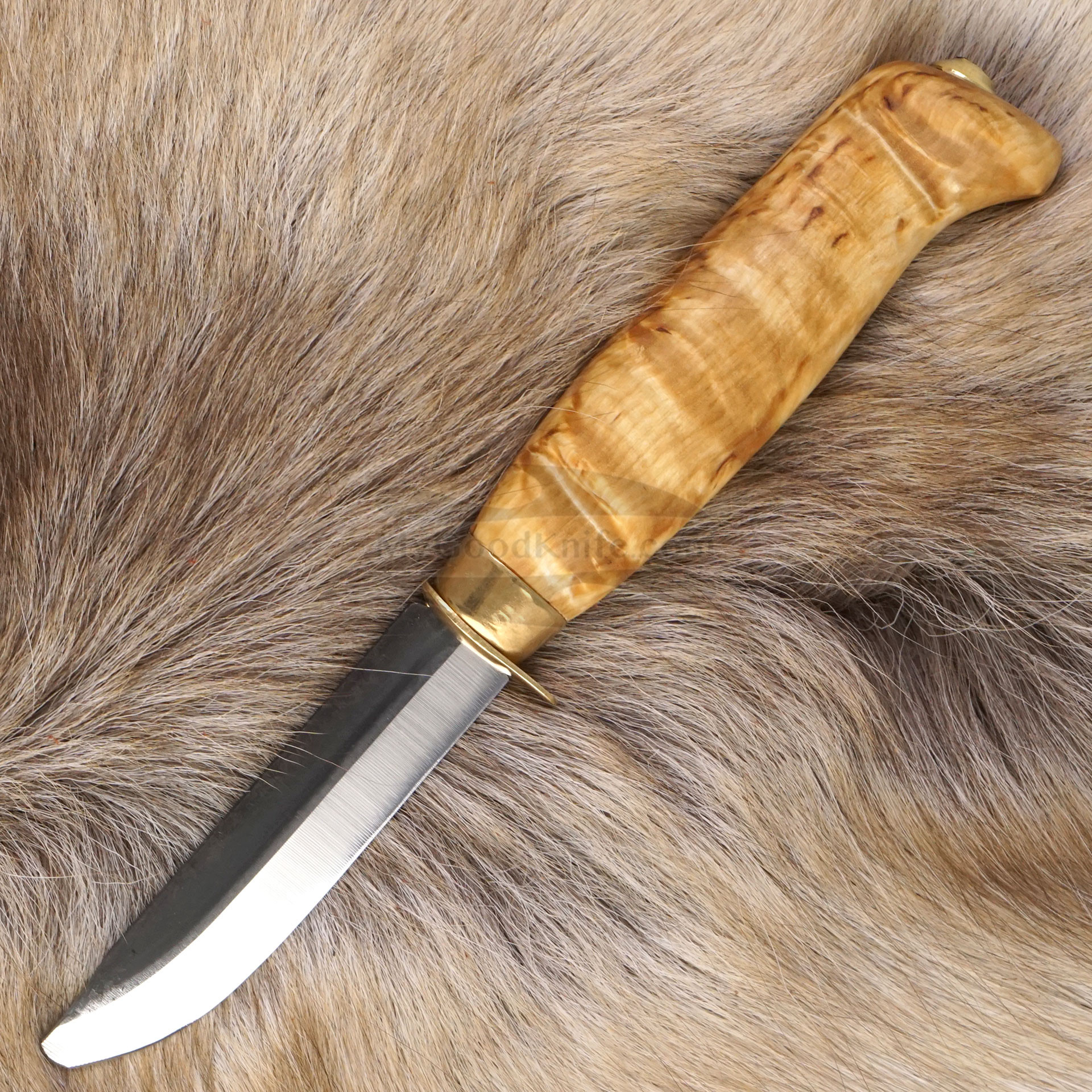
Many models feature a finger rest or guard to prevent fingers from slipping on the blade. All these children's knives come with a sheath, making them convenient to take on hikes or fishing trips. Incidentally, it would be great if dad had a similar knife, only with a regular, sharp tip. Firstly, it adds a touch of maturity, and secondly, it fosters a proper attitude toward knives. The young owner of a puukko will feel like he has a real, serious tool. And that's the most important thing in introducing a child to knives.
When buying your kid's first knife, make sure it's of good quality. It shouldn't be cheap, as this can make it look like a toy. For the same reason, teach your child not to brag about their knife unnecessarily. A knife is a tool: take it out, cut it, put it away. Explain that knives shouldn't be given away or traded. Although most kid's knives are quite safe, children should only use knives under adult supervision. To help your child gain confidence and some skill in handling a knife, start by assigning them simple tasks under your supervision. If your child accidentally injures themselves, don't panic, and don't let grandma panic. Calmly disinfect the wound and never scold them. Believe me, they've already learned that knives need to be handled carefully. In general, children naturally imitate adults. Therefore, if you handle your knives with respect, care, and gentleness, your child is likely to do the same.



 Christmas vacation 23.-28.12Read more
 Paracord: What It Is and How to Use ItRead more
 Can You Give Knives as a Gift: Traditions, Superstitions, and AdviceRead more
 How to Sharpen Japanese Knives – A Complete Guide to Care and MaintenanceRead more
 Delivery to USARead more