A chef's knife is the most versatile and widely used knife in the kitchen. It is used for 80–90% of all kitchen tasks, including chopping vegetables, slicing meat and fish, and preparing ingredients for all dishes. Chef's knives typically range in blade length from 15 to 30 cm, but 20 cm is considered the most popular and versatile. As the blade length increases, so does its width, making it more suitable for handling larger items. The cutting edge of a classic chef's knife is slightly rounded. This allows for the easy use of the "rocking" technique, making slicing quick and safe.
Despite the common name "chef's knife," these kitchen knives can vary considerably from one another, primarily in blade shape, weight, balance, and sharpening angle. The most common European blade types are the German and French blade types, while the Japanese gyuto chef's knife also deserves special attention.
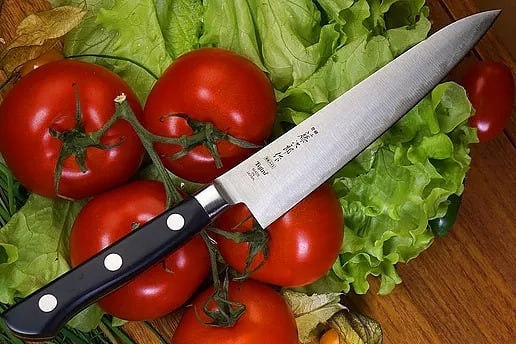
German Chef's Knife.
The German chef's knife is quite large. These knives are distinguished by a thick spine, a pronounced heel, and a noticeable rounding of the cutting edge. The blade is usually wide and massive, and the knife itself has a noticeable weight. This type of knife is ideal for intensive work and allows for effective cutting of dense foods. A distinctive feature of the German chef's knife is its rounded blade shape. This geometry is optimal for the rocking motion technique, which is widely used in European cuisine. Furthermore, many German models have a closed heel, which protects the fingers and reduces the risk of injury, which is especially important for beginners. German chef's knives are generally heavier than other types. The balance is shifted toward the handle or located near the bolster. This reduces strain on the hand during prolonged use.
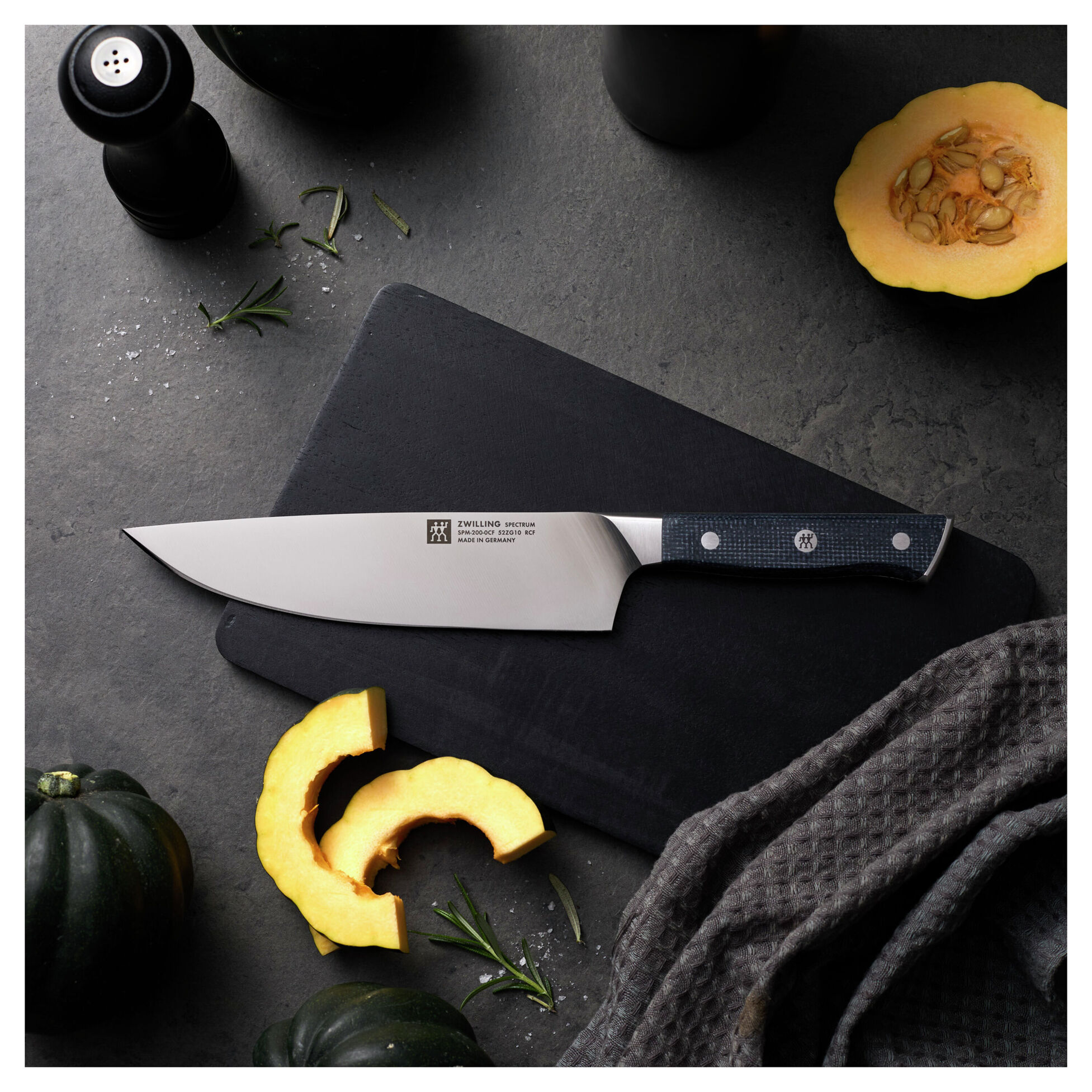
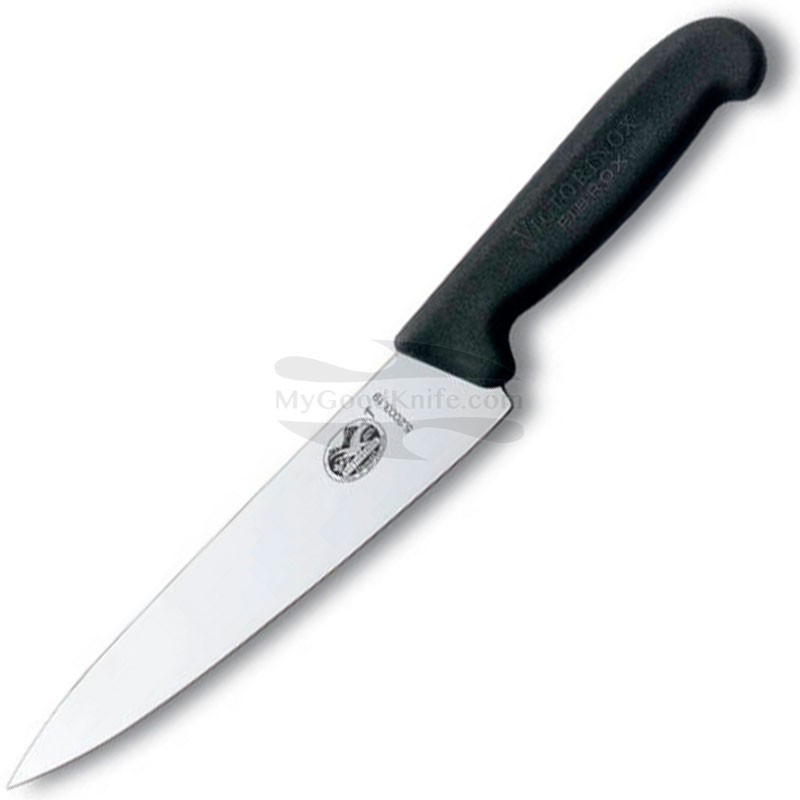
A French chef's knife.
The French chef's knife is an elegant interpretation of the classic European chef's knife, created for those who value precision and delicacy in their work. Its geometry is more refined than that of its German counterparts, focusing on controlled cutting rather than forceful application. The blade of a French knife has a straighter cutting edge with a subtle curve, and its profile resembles an elongated triangle. This shape is ideal for straight cuts and drawing, allowing for work without vigorous rocking motions. The spine of French models is thinner, and the blade bevel is more delicate. French chef's knives often feature an open heel and a minimal bolster. These knives are noticeably lighter than German ones, and their balance, shifted toward the center or blade, gives them particular sensitivity and precision when cutting.
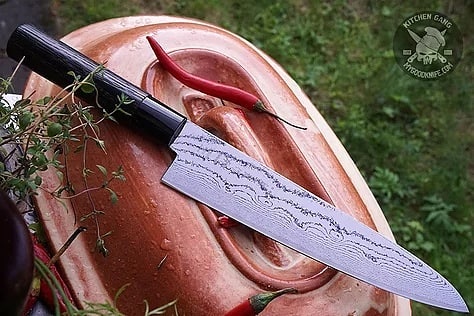
Japanese chef's knife, the Gyuto
The Japanese chef's knife, called the Gyuto, which literally means "beef knife," is essentially a Japanese interpretation of the classic European chef's knife, designed with the specifics of Japanese cutting techniques in mind. Its main differences from its European counterparts include a more slender and lighter blade, as well as a significantly sharper sharpening angle, typically around 15 degrees (while European knives typically have a sharpening angle of 20 to 30 degrees). This feature gives the Gyuto outstanding cutting power and allows for incredibly precise and accurate cuts. Many Japanese chef's knives, including the Gyuto, feature an open heel, which is highly prized by professional chefs for its added maneuverability and the ability to maximize the full length of the blade. However, it's important to note that the Gyuto requires delicate handling and is not intended for chopping bones, frozen foods, or extremely hard foods. For those who prioritize precision, spiciness, and lightness, and who prefer a mindful and thoughtful approach to the culinary process, gyuto is the ideal choice.
One of the most important design features of a chef's knife is the blade's heel. A closed heel is more common on European knives and provides additional security for the fingers. An open heel, typical of many Japanese knives, allows greater freedom of movement and is prized by experienced users.
Besides the blade, the handle plays a vital role. Today, manufacturers offer a variety of shapes, sizes, and materials, from classic European handles to traditional Japanese wa-handles. Each has its own advantages and characteristics. Popular handle materials include plastic, natural wood, and metal. Plastic used for chef's knife handles is durable, resistant to moisture and temperature fluctuations, does not crack, and retains its appearance for a long time. Natural wood gives the knife a classic look and a pleasant feel, but requires more careful maintenance. To prevent cracks and corrosion at the junction with the blade, some types of wood are stabilized with resins for durability. Metal, most often stainless steel, provides maximum strength and longevity. Chef's knives with this type of handle are often used in professional kitchens due to their hygienic nature. This is a user preference.
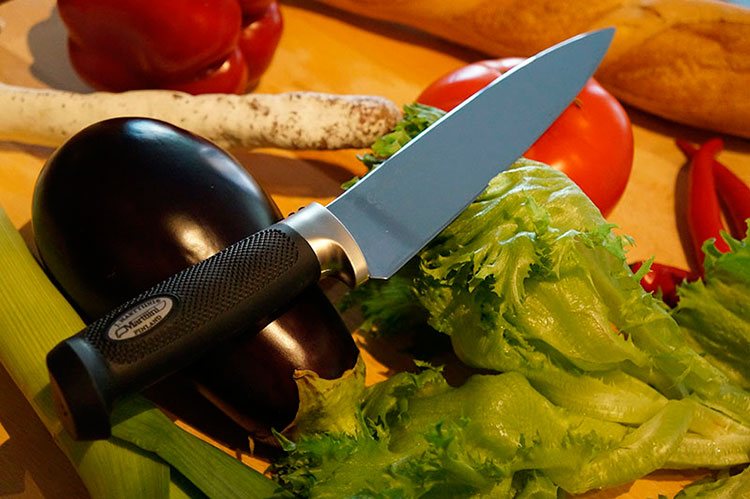
How to choose a chef’s knife:
Blade length
— 20 cm is a universal option for most tasks;
— shorter knives are convenient for working with small products and are better suited for smaller hands;
— longer knives are suitable for larger hands and for working with large products.
Weight and purpose
— if you cut a lot of meat and dense products, a heavier knife with a thicker spine will be suitable;
— for precise slicing, vegetables and delicate work, lighter and thinner models with good geometry are better.
Type of knife
— Japanese knives provide a sharper and cleaner cut, while European ones are more versatile and less demanding in maintenance.
Steel and maintenance
— if you don’t have time for regular maintenance, choose knives with stainless steel blades — they are less prone to corrosion and easier to use.
Handle
— handles made of synthetic materials (plastic, composites) are more practical than wood: they are moisture-resistant, require no maintenance and are better suited for daily use;
— handle shape is also important: classic European handles are more versatile and more comfortable for many users, while Japanese wa-handles are lighter and provide more control for precise work.
A chef's knife is a tool you'll spend a lot of time with. Therefore, choosing one is always a personal choice. A well-chosen chef's knife makes the cooking process significantly more enjoyable. We offer the best chef's knives from leading global brands, including Tojiro, Victorinoz, Zwilling, J.A. Henckels, and others.
Updated in April 2026.



 Christmas vacation 23.-28.12Read more
 Paracord: What It Is and How to Use ItRead more
 Can You Give Knives as a Gift: Traditions, Superstitions, and AdviceRead more
 How to Sharpen Japanese Knives – A Complete Guide to Care and MaintenanceRead more
 Delivery to USARead more