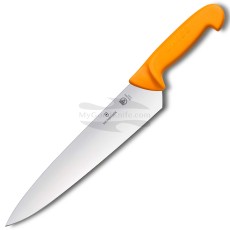
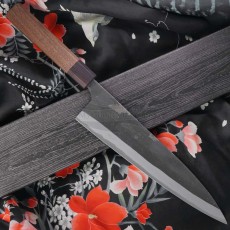
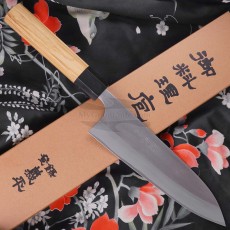
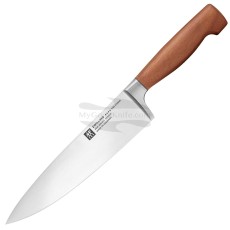
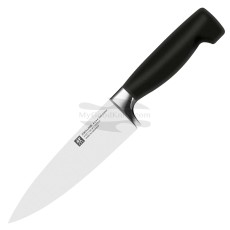
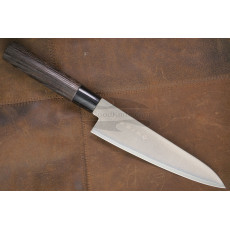
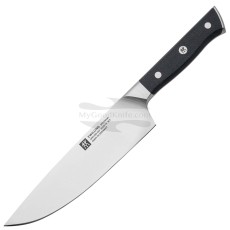
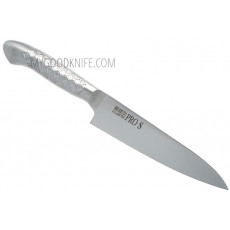
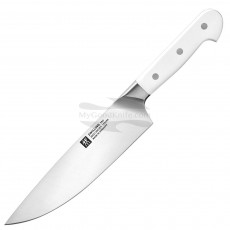
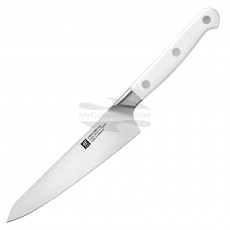
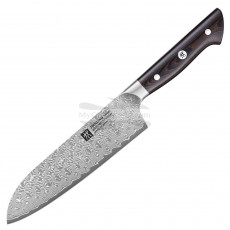
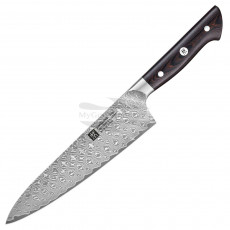
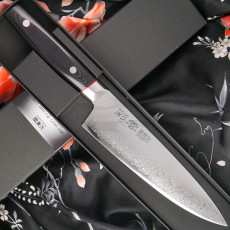
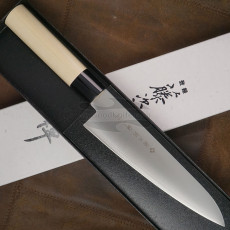
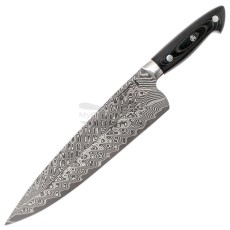
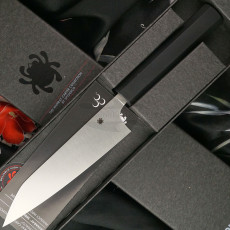
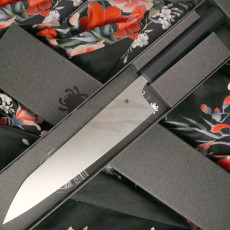
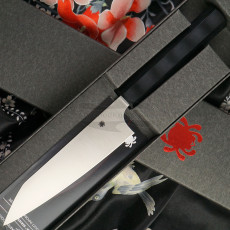
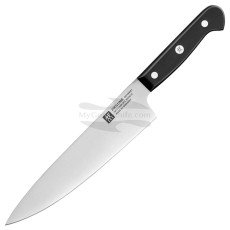
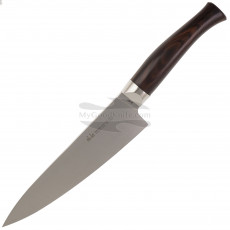
A chef’s knife is the main tool in the kitchen, used more often than any other. It is suitable for most tasks: cutting meat, fish, vegetables, herbs and fruits. Thanks to its универсальная форма клинка, a chef’s knife is equally convenient for both home kitchens and professional use.
The standard chef's knife blade length ranges from 18 to 24 cm (7–9 inches), which is considered the ideal gold standard for cutting control. However, depending on the task at hand, the blade can be shorter (from 15 cm for maneuverable precision work) or longer (up to 30 cm for cutting thicker foods). In our store, you can buy chef's knives of various sizes and types.
Types of chef’s knives: European, Japanese and Chinese
European chef’s knife
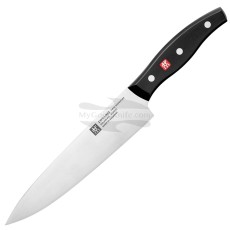
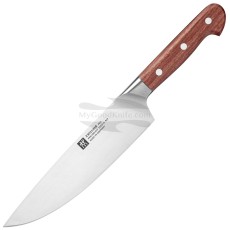
A classic chef knife familiar to most users. It features a heavier construction and universal geometry.
There are two main types:
- German type — a massive knife with a smoothly curved cutting edge, ideal for intensive work;
- French type — lighter and thinner, the cutting edge curves only closer to the tip.
Japanese chef’s knife
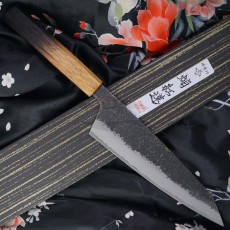
Japanese interpretations of the chef’s knife feature a thinner blade and higher steel hardness. They are much lighter than European ones and retain sharpness longer. If you are looking for such knives, check out the category of Japanese chef’s knives.
Chinese chef’s knife (Chinese chef knife / cleaver)
Despite its appearance, this is not a chopper but a universal kitchen knife with a wide blade. It is perfect for shredding vegetables, cutting meat and working with large products.
In addition, the wide blade is convenient for transferring chopped ingredients from the board.
Blade materials: stainless and carbon steel
Most chef’s knives are made of stainless steel. In some professional kitchens, this is a mandatory requirement. Stainless steel knives are hygienic, require no special care and have a sufficiently hard cutting edge. They are corrosion-resistant and wear-resistant. Therefore, stainless steel chef’s knives are a practical choice for everyday use and for professional kitchens.
Some manufacturers also offer chef’s knives made of carbon steel. Such knives can be sharpened to razor sharpness and retain their edge longer. However, they must be washed and dried immediately after use to avoid corrosion. In addition, high-carbon chef’s knives are prone to oxidation when cutting citrus and other high-acidity products. Because of this, they are not always allowed in professional kitchens.
Construction and balance
A classic chef’s knife has a full tang construction — the tang runs through the entire handle. This not only makes the knife strong but also ensures balance. Most classic European chef’s knives are attached to the handle with three rivets or the tang is fully embedded into the handle.
Sometimes the heel of the chef’s knife is protected by a guard. This prevents possible cuts if the finger slips onto the sharp edge. As a rule, knives with this design are preferred by beginner cooks. Most often, the heel remains open.
The spine thickness of a European chef’s knife is usually 2–5 mm. Weight ranges from 170 to 300 grams. The weight depends on both the construction (full tang knives are, of course, heavier) and the handle materials. The lighter the chef’s knife, the longer you can work without hand fatigue. However, male chefs usually prefer heavier chef’s knives that feel more comfortable in hand.
Chef knife handles: practicality and comfort
Chef knife handles are made from different materials:
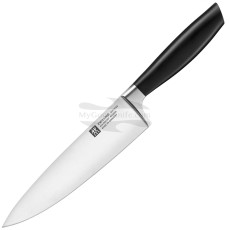
- synthetic (plastic, micarta, composites) — highly hygienic and moisture-resistant. Modern plastics have an aesthetic appearance and are much more practical than wood;
- metal — lightweight and completely hygienic. Hollow metal handles are often used for professional chef’s knives;
- wood — classic in design and pleasant to the touch. Wooden handles are usually specially treated to prevent absorbing moisture and odors.
Care of a chef’s knife
Despite the fact that many manufacturers indicate on the packaging that the knife is dishwasher safe, it is not recommended to do so. Dishwashing leads to handle damage and the cutting edge quickly becomes dull.
We recommend storing chef’s knives in protective sheaths, on magnetic racks or in knife blocks where the cutting edge does not come into contact with other objects.
Regular sharpening and maintenance with oil significantly extend the lifespan of the knife.
Chef’s knives in the MyGoodKnife range
The MyGoodKnife store offers a wide selection of chef’s knives from leading global brands: Zwilling J.A.Henckels, Tojiro, Kasumi, Miyabi, Nesmuk, Seki Kanetsugu, Böker, Victorinox and others.
You can choose a professional chef’s knife for work or a universal knife for home — depending on your needs and preferences. Not sure which chef’s knife to choose? Read our guide to choosing a chef’s knife and find the best option for you. If you need help choosing, our support team is always ready to assist.